

Understanding Yourself
Psychology Articles & Resources
Written or curated by Laurel
Understanding ourselves is rarely about finding one perfect answer. It's usually about gradually making better sense of our emotions, relationships, nervous system, and patterns. These articles are here to support that process.
Considering beginning therapy? You might find my Therapy Prep Package helpful: click to download this free PDF resource.
Articles and Resources
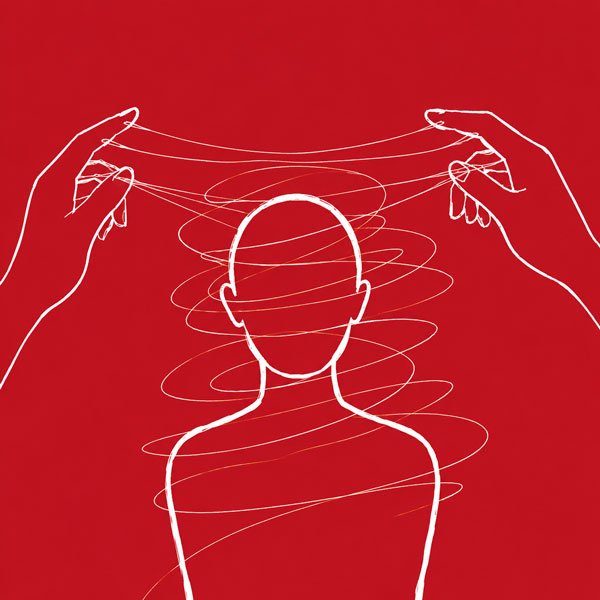
Understanding Coercive Control
Coercive control is a pattern of relational harm that can be difficult to recognize while it is happening. It often develops gradually and can affect a person’s sense of safety, autonomy, self-trust, and identity — making it confusing or even frightening to step back and see the impact of the relationship.
How to Support Someone Experiencing Coercive Control
How to support a loved one who might be in a relationship involving coercive control.
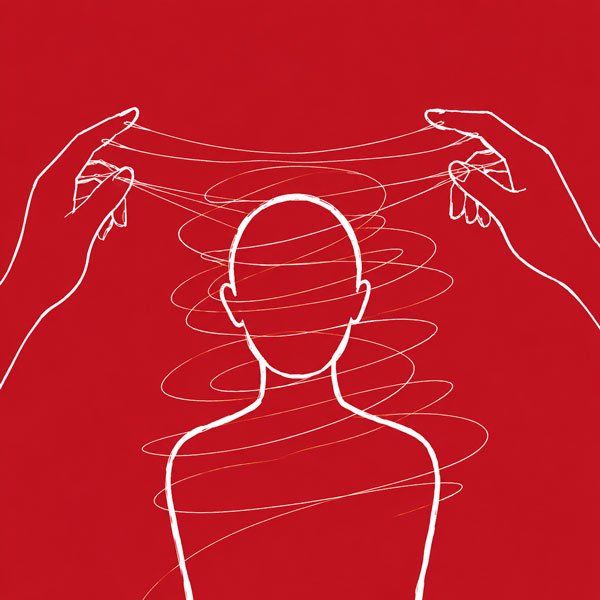
Coercive Control: How It Works and Why Leaving Feels Impossible
Coercive control is a subtle but damaging form of relational abuse. Learn the signs, patterns, and psychological impact — and how to recognize it. When people think about abuse, they often picture overt acts — yelling, threats, or physical harm. But many harmful relationships don’t look like that, especially at first. Instead, they are defined by something quieter and harder to name: coercive control.
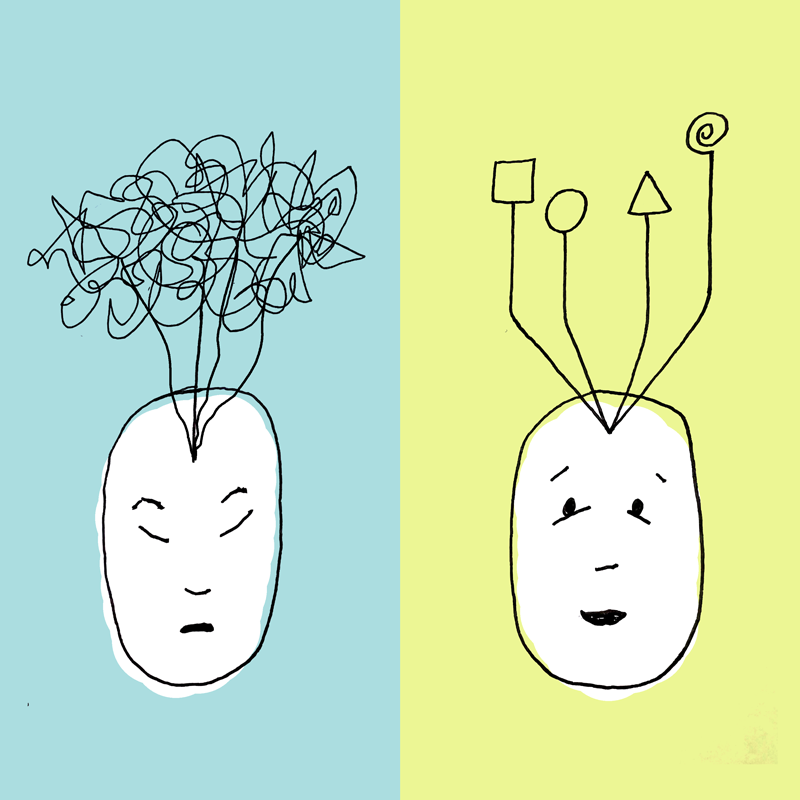
How often do I need to come to counselling?
The frequency of counselling
Clients sometimes wonder how often they should attend therapy. Sometimes people want to come every three weeks, every month, or just whenever they feel like it. What does the research tell us?
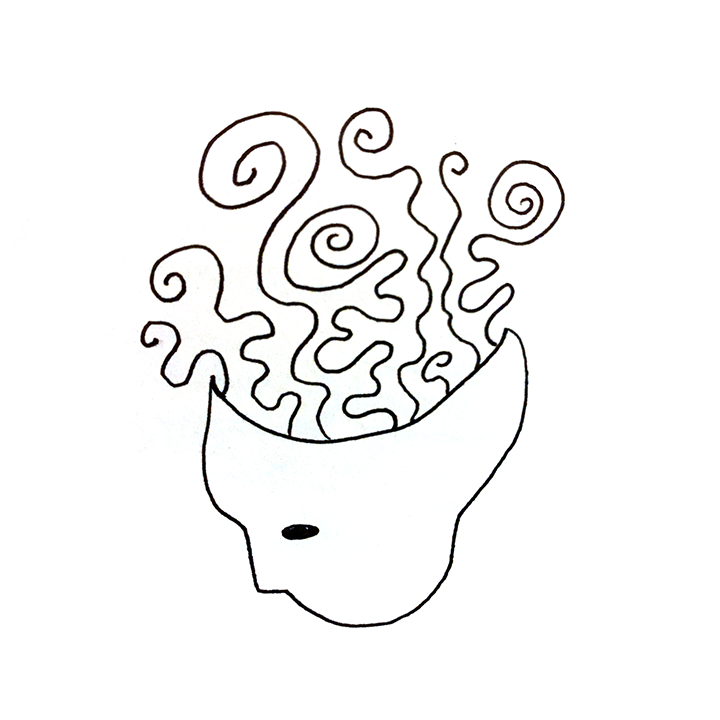
Are you struggling with High-Functioning depression?
Have you been feeling flat for a while now? Like life is just one long to-do list? Maybe you’ve lost motivation, things don’t feel fun anymore, and you’re not really interested in much. And yet, on the outside, you’re still doing it all: showing up to work, going to meetings, paying the bills, keeping everything moving. But inside, it feels heavy, like you’re dragging yourself through every day.
If this rings true, you might be dealing with something called High-functioning depression.
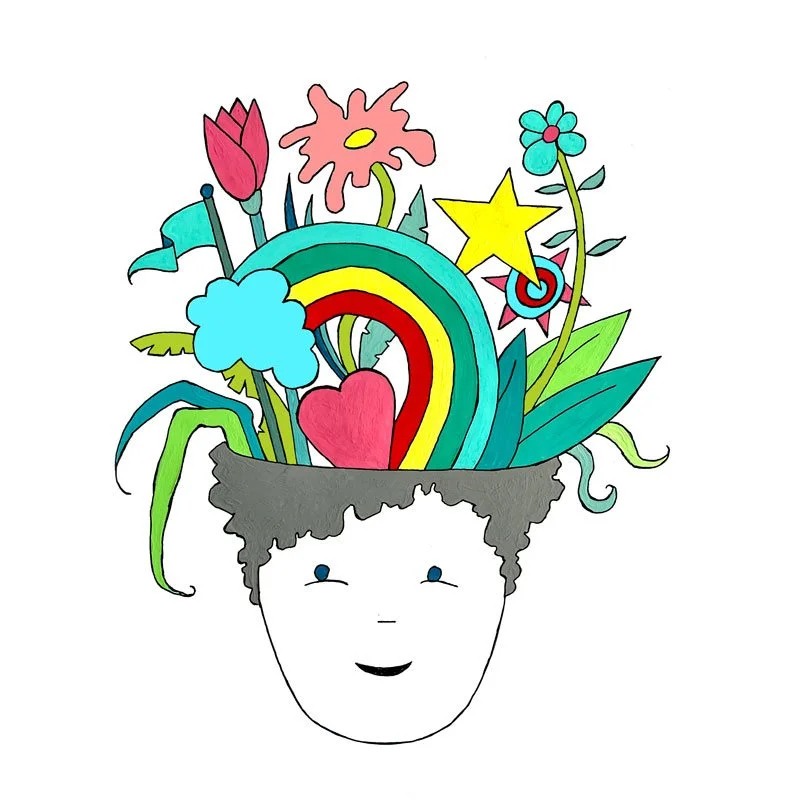
4 reasons why self-compassion is really, really important
Self-compassion may sound kind of fluffy when you first hear about it, but there are so many good reasons to cultivate it.
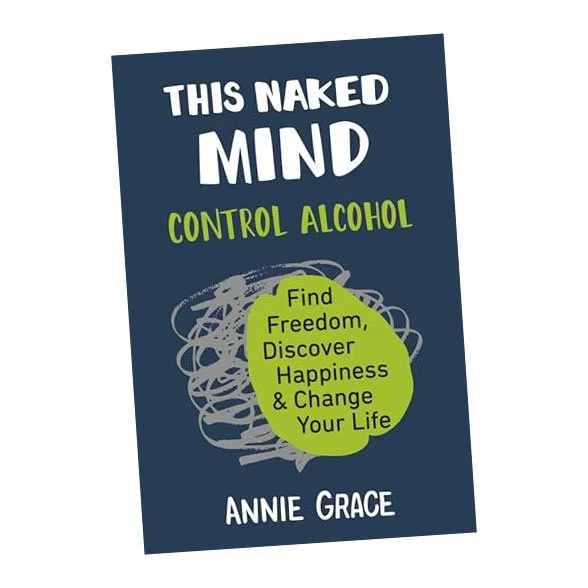
Wondering about your alcohol use? Check out this book: This Naked Mind
This Naked Mind: Book review by Laurel

Why Relationships Are So Hard: by Stan Tatkin
As a relationship therapist, I do a lot of learning, studying, and reading about relationships and how to be a better relationship therapist. One of my all-time favourite relationship researchers, teachers, and relationship therapists is Stan Tatkin. In this TED talk, he explains some of the neurobiological reasons of why relationships are so hard …

Be a More Empowered Bi+ Therapy Client
Get curious about your therapist’s Bi+ clinical competency
and your unique Bi+ challenges and mental health risks.
Being on the Bisexual Spectrum (Bi+) is still fraught. The strange thing is that it seems like it shouldn’t be. Aren’t we way past Bisexuality being an issue for anyone by now? This belief is actually part of the problem: the struggles Bi+ people grapple with continue to be dismissed, under-studied, and minimized, and we are cast as whiny, confused, and attention-seeking. This very dismissal prevents the struggles the Bi+ population’s experiences from being appropriately heard, understood, acknowledged, validated, and therefore addressed. Continuing to bring up the difficulties we face as Bi+ community members is framed as exactly the whiny, attention-seeking we are accused of. It is a catch-22-type trap! If we bring it up, we are dismissed; if we don’t bring it up, the harm existing in the status quo continues.
Writing to process difficult events: the benefits of expressive writing
As a therapist, you can imagine that I am a big proponent of the role therapy can play in one’s life. It is such a great tool when we have the opportunity to engage in it. But I'm also a big proponent of taking charge of our own healing and growth! Therefore, when I come across evidence-based actions that people can take into their own hands, I am thrilled! And am motivated to share with you. Therapeutic writing fits the bill: it is an activity you can do on your own, with zero financial cost, and is well supported by research.